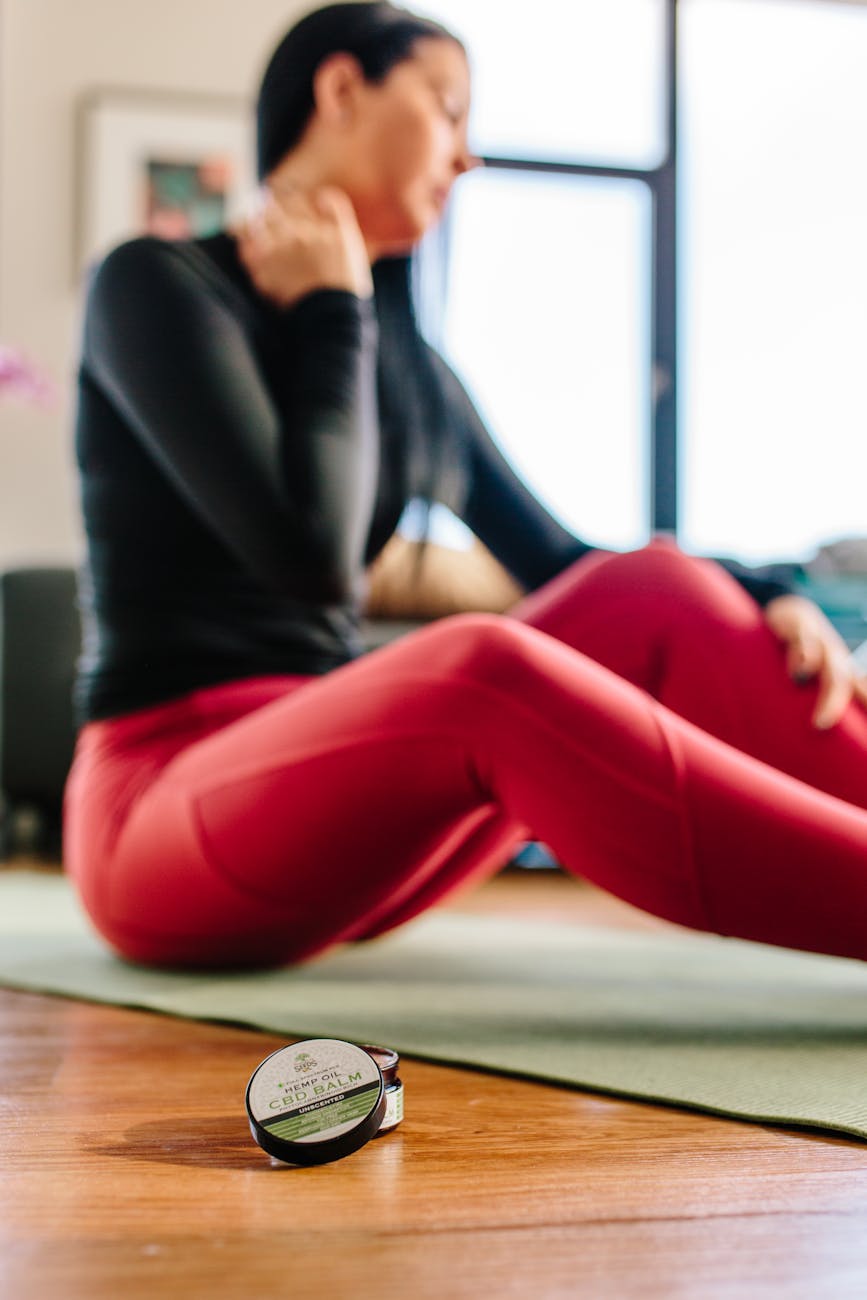
Staying healthy as a parent isn’t just about working out — it’s about prioritizing how you recover from daily life.
Let’s Be Honest: Parenting Is Physically and Mentally Demanding
If you’re a parent, you don’t need a scientific explanation to understand “wear and tear.” You live it. You’re lifting kids. You’re bending over toys. You’re carrying laundry baskets. You’re picking up strollers and diaper bags. You’re sitting in awkward positions. You’re running from task to task — all day long.
Even if you work out consistently, parenting itself is a full-body experience that creates:
- stiff hips
- tired backs
- sore shoulders
- tight necks
- restless sleep
- low energy
- general overwhelm
But here’s the thing, most parents don’t realize:
You don’t need fancy equipment, but a basic home recovery toolkit is essential. It doesn’t have to be expensive. It doesn’t have to take up space. It doesn’t require special knowledge. Just a few simple tools that make your body feel cared for.
Recovery isn’t just for athletes. It’s for parents — the real-life endurance performers. This post breaks down which items to keep at home to reduce aches, improve sleep, boost energy, and recover better between workouts and busy days. Each tool in this toolkit offers specific benefits for parents, helping address common areas of tension, soreness, and stress.
Why Recovery Matters So Much for Parents
Most parents think recovery is optional. Something extra. Something you get to only if time allows.
But recovery is the foundation of:
- pain-free movement
- energy levels
- muscle gain
- fat loss
- mental health
- better workouts
- better posture
- stress reduction
- sleep quality
- patience
- longevity
And here’s the truth:
You don’t get stronger during workouts — you get stronger during recovery. Workouts stress your body. Daily parenting stresses your body. Lack of sleep stresses your body. Emotional load stresses your body.
Recovery helps you:
✔ repair
✔ rebuild
✔ relax
✔ restore
Without it, everything feels harder. With it, everything gets easier.
The Parent Recovery Toolkit: The Tools That Make the Biggest Difference
Here are the simple, affordable items every parent should keep at home to help their body feel its best.
1. A Foam Roller
The parents’ “reset button.” A foam roller is like having a massage therapist in your living room — minus the scheduling, the cost, or the need for childcare.
Why parents need it:
- releases tight muscles
- reduces back and hip tension
- improves posture
- increases circulation
- helps you recover faster
- reduces stiffness from sitting or carrying kids
Use it for:
- upper back tightness
- quads and hamstrings
- glutes
- hip flexors
- lats
Just 5 minutes can make your body feel dramatically better. If you’ve never foam-rolled, think of it as “pressing the reset button” on your muscles.
2. Massage Balls (Or Tennis Balls!)
Small but mighty. A foam roller is great — but massage balls get into small, stubborn spots that nothing else can reach.
Why parents need them:
- perfect for knots in the shoulders
- Great for foot pain from chasing toddlers
- ideal for deep glute tightness
- helps relieve neck tension
- reduces tension headaches
Keep one near the couch and one at your desk.
Parent-friendly trick:
Stand against a wall, put the ball between your back and the wall, and roll slowly.
Instant relief.
3. A Stretching Strap
Especially helpful for tight hamstrings and hips. You don’t need to be flexible. You don’t need to do yoga. A simple strap helps you stretch safely and effectively — especially when you’re stiff from parenting.
Use it for:
- hamstring stretches
- quad stretches
- calf stretches
- chest opening
- hip mobility
Just a few minutes of posture improvement reduces low-back tension.
4. A Heating Pad
The fastest way to melt tension. Parents carry stress in their muscles, especially:
- neck
- shoulders
- upper back
- lower back
Heat delivers instant relief.
Why heat works so well:
- relaxes tight muscles
- improves blood flow
- reduces pain
- calms the nervous system
- helps with bedtime wind-down
Use it while:
- putting kids to bed
- reading
- watching TV
- drinking tea
- doing your nighttime routine
Your whole body sighs in relief.
5. A Cold Pack or Ice Roller
For soreness, inflammation, or parent-life aches. Heat relaxes. Cold soothes and reduces inflammation.
Perfect for:
- sore joints
- headaches
- post-workout soreness
- swollen feet
- stress-related jaw tension
A cold roller on your forehead after a long day? Heavenly.
6. Epsom Salt
The cheapest recovery tool with the biggest relaxation payoff. Magnesium-rich Epsom salt baths help:
- reduce muscle soreness
- lower stress
- improve sleep
- Relax your nervous system
- reduce cramps
Add a cup or two to a warm bath and soak for 10 minutes. It’s not “self-care.” It’s chemistry.
7. A Yoga Mat
Your all-in-one recovery space. No yoga experience needed. No complicated routine required. No need for an hour-long routine.
A mat gives you a comfortable space for:
- stretching
- mobility
- meditation
- light floor exercises
- foam rolling
- breathing sessions
Think of it as your “body care zone.”
8. Resistance Bands
For gentle strengthening and mobility. Resistance bands aren’t just workout tools — they’re recovery tools too.
They help:
- strengthen weak areas
- improve joint stability
- reduce pain
- improve posture
- support injury prevention
Use them for:
- shoulder activation
- glute strengthening
- core stability
- hip exercises
- gentle morning movement
Bands are ideal for parents recovering from long days of lifting kids or sitting at a desk.
9. A Water Bottle You Actually Like Using
Hydration is the most underrated recovery tool. Parents are chronically dehydrated. Not from choice — from distraction.
Hydration affects:
- energy
- cravings
- sleep
- mood
- digestion
- joint health
- muscle recovery
- headaches
A good water bottle makes it easier.
Bonus: Sip throughout the day instead of chugging — it’s better for recovery.
10. Comfort Items That Soothe the Nervous System
Recovery isn’t just physical — it’s emotional. Parents need nervous system resets even more than physical ones.
Great items include:
- weighted blanket
- soft cozy socks
- warm drinks
- lavender spray
- calming candles
- comfortable pillows
- essential oils
These help your body drop out of “fight-or-flight” and into “rest mode.”
The “Recovery Corner”: Your At-Home Recharge Station
Picture this:
A small basket or corner of your home containing:
- massage ball
- foam roller
- yoga mat
- heating pad
- stretching strap
- cozy blanket
- headphones
- water bottle
- journal
- calming essential oils
This becomes your recovery zone — somewhere you can spend even 5–10 minutes to decompress. Your kids have toy bins. You deserve a recovery bin.
Daily Recovery Habits for Busy Parents (No Extra Time Needed)
You don’t need huge pockets of time. Here’s how to integrate recovery into your real life:
1. Morning Mobility (3 minutes)
- Loosen the stiffness from sleep.
2. Midday Stretch Break (1–2 minutes)
- Reverse sitting posture or pick-up-a-kid posture.
3. After Work / After School Reset (2 minutes)
- Breathing or gentle stretching before diving into parent mode.
4. Evening Wind-Down (5 minutes)
- Use the heating pad, do light stretching, or roll your feet.
5. Bedtime Routine (1–2 minutes)
- Deep breathing to lower your heart rate. Small habits compound fast and give you more energy to tackle your day.
How Recovery Helps You Become a Stronger, Happier, Healthier Parent
When you recover well, everything improves:
✔ better workouts
✔ fewer injuries
✔ less pain
✔ more energy
✔ better sleep
✔ clearer thinking
✔ more patience
✔ better mood
✔ more consistency
✔ easier parenting
You’re not just recovering your muscles — you’re recovering yourself.
Your Body Deserves Care — Not Just Work
Parenting demands:
- energy
- strength
- patience
- emotional availability
- physical resilience
- mental clarity
Recovery restores your energy, strength, patience, and resilience. Think of recovery not as a luxury…
Think of recovery as maintenance for your most important asset: your body. You wouldn’t expect your car to run indefinitely without oil changes, tuning, or repairs. Your body deserves that same respect. And with a simple recovery toolkit at home, you can take care of yourself — even during your busiest seasons of life.
Leave a Reply