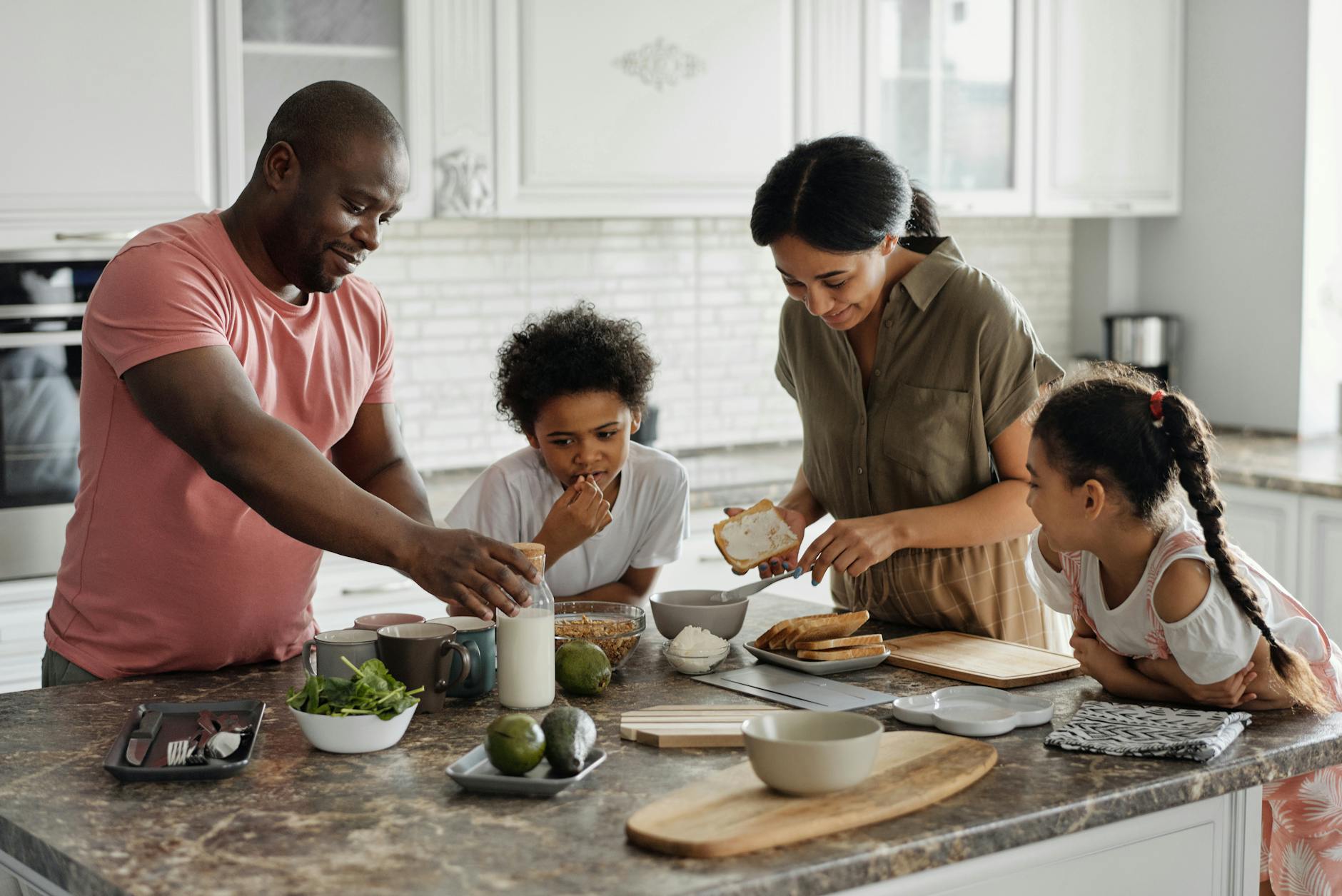
If you’ve ever tried serving quinoa to a kid who only wants mac and cheese, you’re officially a parent. Balancing nutrition and foods your family actually likes is tricky. You want to nourish them, but you also just want meals they’ll eat without treating dinner like a personal offense to their taste buds.
Some days, you’re tired, they’re exhausted, and trying to enforce “perfect” eating makes you want to hide in the pantry with a granola bar.
The good news?
You don’t have to pick between healthy eating and comfort foods your family loves. Both are possible—no fights, guilt, or acting like a short-order cook. This post shows how to blend nutrition and family favorites in a way that’s natural, flexible, and doable for busy parents.
Why the Balance Matters (for Everyone)
Kids want foods they recognize. Parents want meals that aren’t nutritional disasters. Everyone wants dinner to feel peaceful — not like a hostage negotiation.
Finding the balance helps:
- Reduce mealtime stress
- Increase cooperation at the table.
- Keep kids open to trying new foods over time.
- Give you the freedom to enjoy your own meals.
- Prevent the “short-order cook” trap.
- Build long-term healthy habits.
You don’t need a fancy meal plan, expensive ingredients, or hours of prep. What you need is a strategy that fits real family life—the messy, imperfect, “we have practice in 12 minutes” kind. Ready to make it work for your family? Let’s break this down into simple, practical steps.
Step 1: Identify the “Non-Negotiable” Favorites
Every family has staple meals—easy, familiar, and kid-approved—not always the healthiest, but reliable.
Examples:
- Pizza
- Tacos
- Pasta with butter
- Chicken nuggets
- Burgers
- Hot dogs
- Mac and cheese
- Pancakes or waffles
These “non-negotiables” aren’t the enemy. They’re your starting point. Healthy eating doesn’t mean eliminating these foods—just being strategic with them.
Ask yourself:
- Which meals do my kids ask for constantly?
- What meals are effortless on busy days?
- What foods instantly reduce stress at dinner?
Hold onto these. You’ll build around them, not against them.
Step 2: Upgrade Favorites with “Add, Don’t Restrict”
Kids respond better to adding foods than to subtracting them. Instead of taking away the foods they love, add nutrition to them.
This approach is magic because:
- It avoids power struggles.
- It keeps meals familiar.
- You improve nutrition without announcing, “TONIGHT WE EAT HEALTHY!”
Examples of simple upgrades:
Tacos:
Add shredded lettuce, diced tomatoes, beans, avocado, or corn.
Mac and cheese:
- Mix with frozen peas.
- Add rotisserie chicken
- Stir in puréed butternut squash.
Pizza:
- Add veggies to half
- Use a thin crust
- Pair with a side salad or fruit
Burgers:
- Add sliced avocado
- Serve with roasted veggies or fruit.
- Try mixing in turkey or chicken.
Pasta night:
- Add broccoli, spinach, or cherry tomatoes.
- Add lean protein (shrimp, chicken, ground turkey)
- Use a higher-fiber pasta if the family tolerates it.
Breakfast-for-dinner:
- Add berries to pancakes.
- Serve eggs with veggies.
- Mix cottage cheese into scrambled eggs.
The key? Upgrade, don’t replace, the meal. You’re upgrading the meal, not replacing it. So kids feel safe, and parents get the nutrition win.
Step 3: Use the “Two-Option Plate”
This strategy is one of the most effective for reducing dinnertime battles.
On every plate, aim to include:
- 1 family favorite (something the kids already like)
- 1 nutritious addition (veg, fruit, whole grain, or protein)
The family favorite makes the meal feel safe. The nutritious option builds variety over time.
Examples:
- Chicken nuggets + sliced cucumbers
- Pizza + carrot sticks
- Buttered pasta + grilled chicken
- Quesadilla + sautéed peppers
- Hot dogs + apple slices
Kids don’t need to fall in love with the healthier option on day one. Exposure, even on the same plate, increases willingness over time.
This method avoids:
- bribing
- forcing
- bargaining
- cooking separate meals
Instead, it creates variety without the drama.
Step 4: Make Healthy Sides the Easy Part
A lot of parents think adding fruits or veggies means extra cooking, which can feel overwhelming on busy nights.
But healthy sides can be:
- microwaveable
- pre-cut
- grab-and-go
- zero-prep
Easy sides to keep on hand:
- Baby carrots
- Snap peas
- Cherry tomatoes
- Cucumbers
- Pre-cut fruit
- Frozen peas
- Frozen broccoli (steamed bag)
- Applesauce cups
- Mandarins
- Bagged salad kits
These sides take 0–2 minutes, yet dramatically boost any meal’s nutrition. If dinner is pizza and a bag of carrots? That’s still a balanced meal.
Step 5: Let Kids “Build” Their Meals
Kids love control. Parents love cooperation. “Build-your-own” meals satisfy both sides.
Try these:
Build-your-own oatmeal
Toppings: berries, nuts, cinnamon, yogurt
Build-your-own tacos
Fillings: beans, cheese, lettuce, tomatoes, chicken
Build-your-own pasta bowls
Mix-ins: broccoli, chicken, peas, cherry tomatoes
Build-your-own snack plates
Include: protein + fruit + veggie + whole grain
This approach works because:
- Kids are more likely to eat what they choose.
- They naturally add more variety.
- It prevents waste
- It feels fun, not forced.
Even picky eaters can participate without stress.
Step 6: Use the 80/20 Rule for Realistic Balance
Healthy eating doesn’t have to be all-or-nothing. Aiming for “perfect eating” is the fastest way to burn out.
The 80/20 rule is simple:
- 80% of the time: balanced, nutritious meals
- 20% of the time: treats, fun foods, convenience meals
That includes:
- Friday night pizza
- Movie-night popcorn
- Birthday cake
- Ice cream runs
- Quick-drive-thru moments when life gets chaotic
When these foods fit into normal eating—not as rewards—kids develop a healthier relationship with food.
Step 7: Share the “Why,” Not a Lecture
Kids respond to understanding, especially when it’s brief and not a lecture.
Try phrases like:
- “Veggies help us run faster.”
- “Protein helps your muscles grow strong.”
- “Fruit gives your brain energy for school.”
- “Water helps your body feel good during sports.”
Keep it:
- positive
- brief
- age-appropriate
Avoid using:
- guilt
- fear
- shame
- “You have to eat this!”
Healthy habits grow from curiosity, not pressure.
Step 8: Make the Environment Do the Work
You can skip battles by making healthy choices easy through your kitchen setup.
Make healthy choices visible:
- Fruit bowl on the counter
- Pre-cut vegetables in a clear container
- Yogurts or string cheese at eye level
- Water bottles filled and ready.
- Nuts or trail mix available
Kids naturally grab what they see first. You’re not forcing healthier choices — you’re making them the simplest, most convenient ones.
Step 9: Plan “Flexible Favorites” into Your Week
This one is a game-changer. Instead of overhauling your meal plan, rotate favorite meals in a balanced way.
Examples:
- Monday: tacos
- Tuesday: pasta with veggie add-ins
- Wednesday: rotisserie chicken bowls
- Thursday: pizza night (with fruit or salad)
- Friday: fun kids’ choice meal
- Weekend: simple slow cooker or sheet-pan meal
This plan:
- maintains routine
- includes favorites
- reduces decision fatigue
- stays realistic for busy families
It’s the perfect blend of familiarity and nutrition.
Step 10: Keep Mealtimes Positive (This Matters Most)
A balanced meal loses value if mealtimes are tense or stressful.
A positive mealtime environment helps kids:
- Try more foods
- develop healthy eating habits
- feel safe around new flavors
- regulate appetite better
- enjoy meals with the family
Keep things simple by avoiding:
- pressure (“just take one bite!”)
- bribing (“eat this and you get dessert”)
- controlling portions
- shaming picky eating
- power struggles
And focus instead on:
- conversation
- connection
- modeling healthy habits
- letting kids explore food at their own pace
Kids learn healthy eating through repeated, low-pressure exposure at meals.
Final Takeaway: Balance Isn’t Complicated
You don’t have to pick between nutritious food and what kids actually eat. Blend them for stress-free meals, without hours in the kitchen. Here’s the secret: healthy family eating isn’t about perfection.
It’s about:
- realistic upgrades
- small additions
- gently expanding tastes
- keeping meals positive
- serving balanced plates over time
- Making healthy sides easy
- modeling the habits yourself
- allowing favorite foods to have space
When you embrace this, mealtimes get easier, kids get more adventurous, and you feel more confident in what you serve. Balance isn’t the enemy of nutrition. Balance is nutrition—especially for busy parents who need sanity as much as vegetables.
Leave a Reply