
Most people think of muscle as an aesthetic goal.
They picture bodybuilders, gym mirrors, flexing, and vanity. If that’s the lens you’re using, it makes sense why strength training feels optional—or even undesirable.
But muscle has very little to do with looks and everything to do with longevity, independence, and quality of life.
Muscle is not about getting big.
It’s about staying capable.
It’s about:
- Getting off the floor without help
- Carrying groceries without pain
- Playing with your kids without fatigue
- Preventing injuries instead of recovering from them
- Staying metabolically healthy into your 60s, 70s, and beyond
If your goal is to live a longer, healthier, happier life, building and maintaining muscle is one of the highest-return investments you can make.
And the good news? You don’t need to love the gym—or even go to one—to do it.
Muscle Is Not Optional for Longevity
Here’s the uncomfortable truth:
After about age 30, adults lose muscle mass every decade unless they actively work to preserve it.
This process—often called age-related muscle loss—accelerates with:
- Sedentary behavior
- Calorie restriction
- Poor protein intake
- Chronic stress
- Lack of resistance training
Left unchecked, muscle loss leads to:
- Frailty
- Loss of independence
- Higher fall risk
- Slower metabolism
- Poor blood sugar control
- Lower resilience to illness and injury
Muscle isn’t just tissue.
It’s insurance.
Muscle Is a Longevity Organ
Think of muscle as an organ system—because functionally, that’s what it is.
Muscle:
- Stores amino acids your body needs during illness
- Acts as a glucose sink, improving insulin sensitivity
- Supports joint health and movement efficiency
- Produces signaling molecules (myokines) that benefit the brain, immune system, and cardiovascular system
- Protects against metabolic disease
People with more muscle mass and strength consistently show:
- Lower all-cause mortality
- Better metabolic health
- Greater independence later in life
- Higher quality of life scores
This isn’t about extremes. It’s about having enough muscle to meet life’s demands.
Strength Is One of the Strongest Predictors of Survival
Grip strength, leg strength, and overall muscular strength are among the strongest predictors of:
- Longevity
- Hospitalization risk
- Disability
- Recovery from illness
In many studies, strength predicts outcomes better than:
- Body weight
- BMI
- Cardio fitness alone
Why?
Because strength reflects:
- Nervous system health
- Muscle mass
- Bone density
- Coordination
- Metabolic health
Strong people aren’t just fitter—they’re more resilient.
Muscle Protects You as You Age
Aging is inevitable. Decline is not.
People who build and maintain muscle:
- Fall less often
- Recover faster when they do fall
- Maintain balance and coordination
- Preserve bone density
- Maintain confidence in movement
Compare that to those who don’t strength train:
- Simple tasks become exhausting
- Fear of movement increases
- Activity levels drop further
- Decline accelerates
Muscle slows the downward spiral.
Muscle Improves Metabolism (Without Extreme Dieting)
Muscle is a metabolically active tissue.
That means:
- More muscle = higher resting energy expenditure
- Better ability to handle carbohydrates
- Greater flexibility with food intake
- Less reliance on constant calorie restriction
People with more muscle can:
- Eat more without gaining fat
- Maintain weight more easily
- Recover from dieting more effectively
This matters for lifelong weight management, not just short-term fat loss.
Muscle Supports Hormonal Health
Strength training positively influences:
- Insulin sensitivity
- Testosterone and estrogen balance
- Growth hormone signaling
- Cortisol regulation
Chronic inactivity and muscle loss, on the other hand, contribute to:
- Hormonal dysregulation
- Fat gain
- Low energy
- Poor sleep
- Mood disturbances
Building muscle doesn’t require perfection—but it does require consistency.
Muscle Improves Mental Health and Confidence
Strength training is one of the most reliable ways to improve:
- Mood
- Stress tolerance
- Confidence
- Cognitive function
There’s something deeply stabilizing about:
- Feeling physically capable
- Seeing progress over time
- Knowing your body can handle stress
This isn’t about ego.
It’s about self-trust.
What Happens When You Don’t Build Muscle?
Let’s be honest about the alternative.
Adults who avoid strength training often experience:
- Progressive weakness
- Loss of balance and coordination
- Chronic aches and pains
- Fear of movement
- Increased reliance on medication
- Loss of independence earlier in life
This isn’t dramatic—it’s common.
The difference between someone who strength trains and someone who doesn’t becomes stark after age 50.
One group is active and capable.
The other is managing decline.
“But I Don’t Want to Be Huge”
This fear deserves to be addressed directly.
Building muscle:
- Is slow
- Requires consistent effort
- Requires adequate food
- Requires progressive resistance
You will not “accidentally” get bulky.
Most people struggle to build even modest amounts of muscle.
The real risk isn’t getting too muscular—it’s getting too weak.
How Much Strength Training Is Enough?
You don’t need six days a week or marathon sessions.
For longevity:
- 2–4 strength sessions per week
- 30–45 minutes per session
- Focus on major movement patterns
That’s it.
Consistency matters far more than volume.
The Core Movements That Matter Most
Strength training for longevity is about function, not novelty.
Key movement patterns:
- Squatting (sit down and stand up)
- Hinging (picking things up)
- Pushing (getting up from the floor)
- Pulling (carrying, climbing)
- Carrying (real-life strength)
- Rotating and stabilizing
These movements transfer directly to daily life.
You Don’t Need a Gym to Build Muscle
This is critical—especially for people who hate the gym.
Muscle doesn’t know where resistance comes from
It responds to:
- Tension
- Effort
- Progression
That can come from:
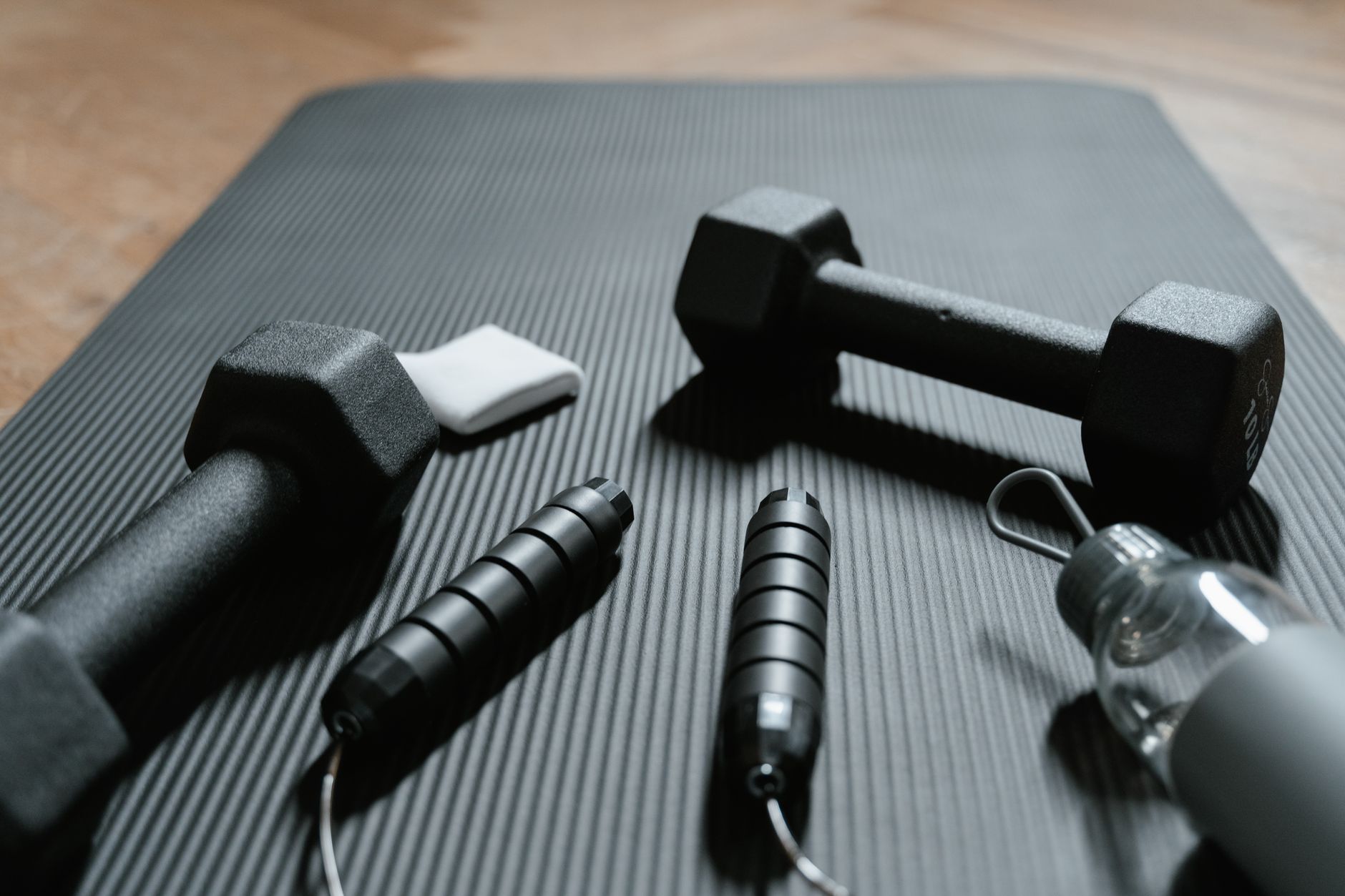
- Dumbbells
- Kettlebells
- Resistance bands
- Bodyweight
- Sandbags
- Suspension trainers
Your living room works just fine.
How to Build Muscle If You Hate the Gym
1. Train at home
No commute.
No mirrors.
No waiting for equipment.
Home training removes friction—and friction kills consistency.
2. Keep sessions short and focused
Long workouts feel overwhelming.
Short, focused sessions feel doable.
Consistency beats intensity every time.
3. Use simple programs
You don’t need variety—you need progression.
Repeating movements builds:
- Confidence
- Skill
- Strength
Complexity is optional. Consistency is not.
4. Train for capability, not aesthetics
Shift the goal from “how do I look?” to:
- “Can I carry this?”
- “Can I get up easily?”
- “Can I move without pain?”
This reframing is powerful—especially in the long term.
5. Make it identity-based
You don’t need to love training.
You need to be someone who:
“Takes care of their strength.”
That identity sticks even when motivation fades.
Protein: The Unsung Hero of Muscle and Longevity
Muscle requires raw materials.
Protein:
- Supports muscle repair
- Preserves lean mass during aging
- Improves satiety
- Supports immune health
Most adults under-consume protein—especially as they age.
Adequate protein becomes more important, not less, over time.
Muscle, Longevity, and Happiness Are Connected
Strength training isn’t just about living longer—it’s about living better.
People who are strong:
- Feel capable
- Move with confidence
- Participate more fully in life
- Experience less fear around aging
That confidence spills into:
- Parenting
- Work
- Relationships
- Mental health
Strength creates freedom.
Strength Training as a Form of Self-Respect
Taking care of your strength isn’t vanity.
It’s not selfish.
It’s not extreme.
It’s one of the most practical ways to build long-term self-respect.
You’re not training for the mirror.
You’re training for:
- Your future self
- Your family
- Your independence
The Bottom Line
Building muscle is one of the most potent, underutilized tools for:
- Longevity
- Healthspan
- Confidence
- Resilience
- Happiness
You don’t need to love the gym.
You don’t need extreme workouts.
You don’t need perfect consistency.
You need:
- Resistance
- Protein
- Progression
- Time
Strong bodies age better.
And the best time to start building muscle—for the rest of your life—is now.

Leave a Reply