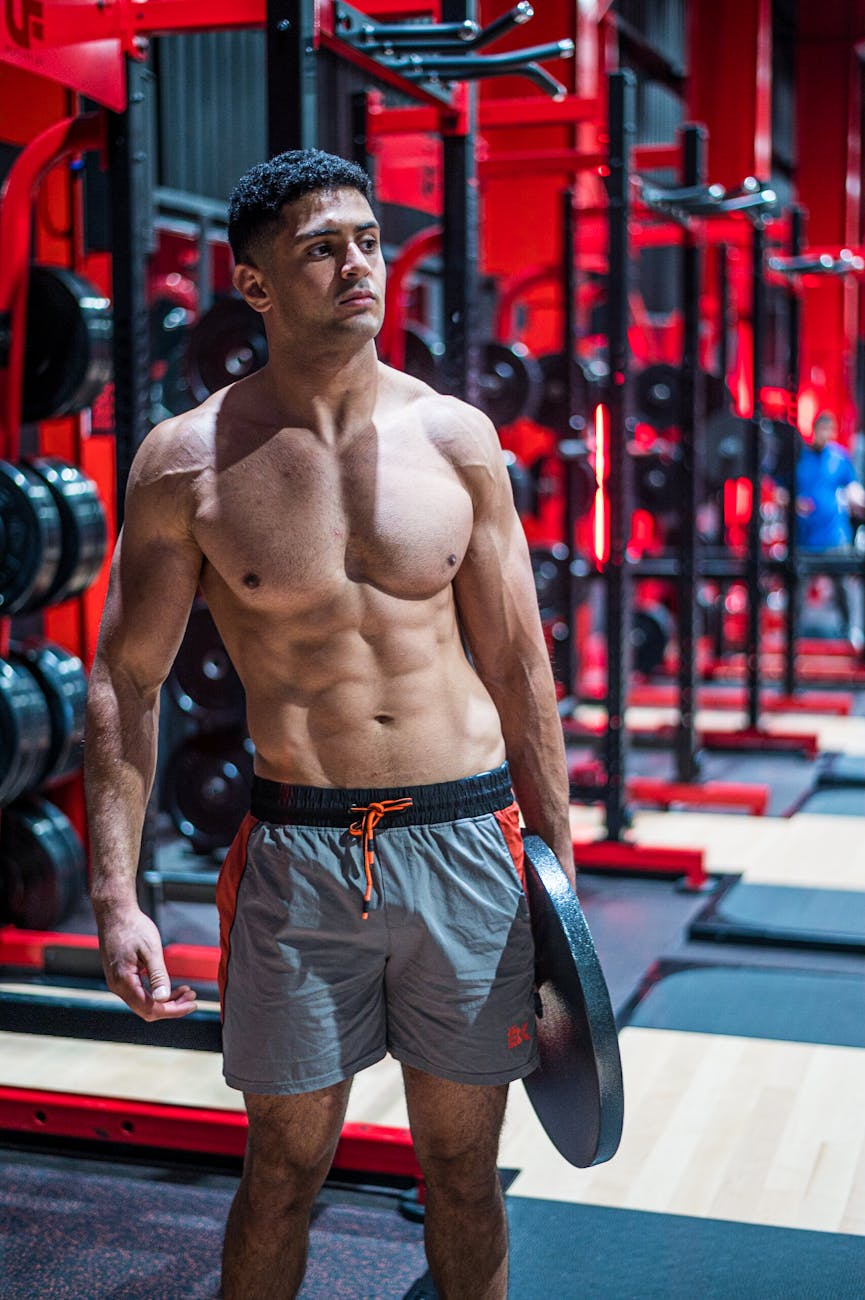
For many people, fitness and confidence are tightly linked to appearance.
Lose the weight → feel confident.
Build muscle → feel confident.
Look “fit” → finally feel good enough.
But this version of confidence is fragile. It depends on lighting, mirrors, scales, comments, and comparison. It disappears when progress stalls, life gets busy, or your body changes. There is another kind of confidence fitness can build — one that is far more durable.
It doesn’t come from how you look. It comes from what your body can do, what you’ve proven to yourself over time, and how you consistently show up for yourself.
This article explores:
- Why aesthetic-based confidence is unstable
- How fitness builds confidence without focusing on looks
- the psychological mechanisms behind it
- How strength, movement, and consistency change self-perception
- and how to train in a way that builds confidence that lasts
The Problem With Aesthetic-Driven Confidence
Aesthetics-based confidence is external.
It relies on:
- visible changes
- validation from others
- comparison to ideals
- constant progress
That kind of confidence:
- rises quickly
- falls just as fast
You can feel confident one week — and deflated the next.
Why?
Because bodies fluctuate. Life interrupts. Progress isn’t linear. And aesthetics are never entirely “done.”
When confidence is tied to appearance, fitness becomes a judgmental system, not a supportive one.
Confidence Isn’t the Same as Liking How You Look
This distinction matters.
You can:
- like how you look but feel insecure
- dislike aspects of your appearance and still feel confident
Confidence is not body satisfaction.
Confidence is self-trust.
It’s knowing:
- You can handle discomfort
- You can follow through
- You can adapt when things change
- You can take care of yourself
Fitness builds this kind of confidence when it’s approached correctly.
What Real Confidence Actually Is
Confidence is not arrogance. It’s not constant positivity. It’s not loving your body every day.
Confidence is:
- believing you’re capable
- trusting yourself to show up
- knowing you can recover from setbacks
- feeling grounded in your body
This type of confidence doesn’t require a particular body shape. It requires experience.
Fitness Builds Confidence Through Capability, Not Appearance
The most powerful confidence shift happens when people stop asking:
“How do I look?”
And start asking:
“What can I do now that I couldn’t do before?”
Examples:
- lifting something heavy for the first time
- finishing a workout you didn’t want to start
- walking farther without pain
- recovering faster than you used to
- keeping a routine during a hard season of life
These moments build confidence quietly — and permanently.
Strength Training: Confidence From Physical Capability
Strength training is uniquely effective at building non-aesthetic confidence.
Why?
Because strength is measurable, functional, and earned. You don’t accidentally get stronger. You don’t wake up strong. You build it through repeated effort.
Each minor progression reinforces:
- “I can improve.”
- “I can handle resistance.”
- “I’m capable.”
This transfers beyond the gym.
People who build strength often report:
- better posture
- stronger presence
- less fear of physical tasks
- more comfort taking up space
Not because they look different — but because they feel different.
Confidence Comes From Keeping Promises to Yourself
One of the most underrated benefits of fitness is self-integrity.
Every time you:
- show up when it’s inconvenient
- move your body even when motivation is low
- adjust instead of quitting
You reinforce the belief:
“I can trust myself.”
That trust is the foundation of confidence. It doesn’t require perfect workouts. It requires follow-through.
Fitness Builds Emotional Resilience
Training teaches you how to:
- tolerate discomfort
- manage frustration
- Stay present when things are hard
- recover after effort
These skills don’t stay in the gym.
They show up when:
- Work gets stressful
- Parenting feels overwhelming
- Life doesn’t go as planned
You’ve practiced staying steady under load — both physically and mentally. That’s confidence.
Why Aesthetics Often Undermine Confidence
When fitness is focused on appearance:
- workouts become tests
- Food becomes moralized
- Progress feels fragile
- self-worth becomes conditional
People start thinking:
- “I’m good when I’m disciplined.”
- “I failed when I missed a workout.”
- “I don’t deserve rest.”
- “I’ll feel confident when I look different.”
This creates anxiety, not confidence.
The Paradox: Letting Go of Aesthetics Often Improves Them
Ironically, many people report:
- better body composition
- more consistency
- improved results
When they stop obsessing over appearance.
Why?
Because they:
- train more sustainably
- eat more consistently
- recover better
- reduce stress
Aesthetics improve as a side effect, not the goal.
Movement Improves Body Awareness (Not Body Judgment)
Fitness builds confidence by reconnecting people with their bodies.
Instead of seeing the body as:
- something to fix
- something to punish
- something to control
Movement helps people experience their body as:
- capable
- adaptable
- responsive
This shift reduces:
- body checking
- comparison
- self-criticism
And replaces it with:
- curiosity
- respect
- appreciation
Confidence Grows When Fitness Supports Life — Not Consumes It
When fitness is balanced:
- It adds energy
- It improves mood
- It supports daily tasks
- It fits into real life
When fitness becomes obsessive:
- It increases stress
- It crowds out relationships
- It creates guilt
Confidence grows when fitness supports your identity, not replaces it.
The Role of Consistency (Not Intensity)
Confidence isn’t built through extreme effort. It’s built through consistency.
Doing something small:
- repeatedly
- imperfectly
- over time
Creates a stable sense of self. Intensity spikes can quickly affect your body. Consistency changes how you see yourself.
Fitness Teaches You That Progress Isn’t Linear
Training humbles everyone.
You learn:
- Some days are harder
- Some weeks go backward
- Progress stalls sometimes
And you learn that:
- this is normal
- It’s survivable
- It doesn’t define you
This reframes failure — not as a verdict, but as feedback. That mindset is confidence.
How Fitness Helps Quiet the Inner Critic
Movement shifts attention:
- from thoughts to sensations
- from judgment to experience
During training, you’re present. You’re in your body. You’re focused on execution. Over time, this reduces rumination and self-criticism.
You learn to:
- observe discomfort
- respond instead of react
- stay grounded
This carries into daily life.
Confidence Isn’t Loud — It’s Steady
People often think confidence looks like:
- boldness
- extroversion
- dominance
But absolute confidence is quieter.
It looks like:
- calm decision-making
- comfort saying no
- resilience after setbacks
- less need for validation
Fitness builds this internal steadiness.
Why Performance Goals Build Better Confidence Than Appearance Goals
Performance goals:
- are controllable
- reward effort
- encourage patience
Examples:
- lifting heavier
- walking farther
- improving mobility
- training consistently
Appearance goals:
- are slow
- fluctuate
- depend on many variables
- invite comparison
Shifting focus to performance builds confidence faster — and keeps it intact.
Fitness Builds Confidence Through Ownership
When you train for function:
- You own your progress
- You understand your body
- You participate in the process
You’re not waiting for:
- approval
- compliments
- external results
You’re engaged.
Ownership breeds confidence.
Confidence Is Built on Evidence, Not Affirmations
Positive affirmations without experience feel hollow. Fitness provides evidence.
Evidence that:
- You can show up tired
- You can do hard things
- You can improve
- You can recover
Each repetition becomes proof. That proof changes self-perception more than any mirror ever could.
How Parents Especially Benefit From This Shift
For parents, aesthetics-focused fitness often fails. Time is limited. Energy fluctuates. Perfection isn’t realistic.
Confidence-focused fitness works because:
- It’s flexible
- It’s functional
- It supports caregiving
- It models healthy behavior
Parents gain confidence by:
- being capable
- staying consistent
- staying present
Not by chasing an image.
Fitness as Self-Respect, Not Self-Punishment
When aesthetics drives fitness, it often becomes punitive:
- “I need to burn this off.”
- “I don’t deserve rest.”
- “I messed up.”
When fitness is driven by confidence, it becomes:
- self-care
- stress relief
- capability-building
You train because you respect your body — not because you hate it.
What Confidence From Fitness Feels Like
People who shift away from aesthetics often say:
- “I feel grounded.”
- “I trust myself more.”
- “I’m less anxious about my body.”
- “I don’t need external validation.”
- “I feel capable in daily life.”
That’s not insecurity disappearing. That’s confidence developing.
How to Train for Confidence (Practically)
If confidence is the goal, prioritize:
- strength training
- daily movement
- performance benchmarks
- consistency over intensity
- recovery and sustainability
Avoid:
- punishment workouts
- extreme restriction
- constant comparison
- perfectionism
Train to build, not to prove.
Confidence Isn’t the End Goal — It’s the Byproduct
Chasing confidence directly rarely works.
But training with:
- patience
- intention
- respect
Creates confidence naturally. Just like chasing happiness doesn’t work — but living well does.
The Long-Term View
Bodies change. Life changes. Aesthetics fluctuate.
Confidence built through:
- capability
- consistency
- resilience
…Lasts. It adapts. It deepens. It carries you through different seasons of life.
The Bottom Line
Fitness doesn’t need to change how you look to change how you feel about yourself.
Absolute confidence comes from:
- showing up
- building capability
- keeping promises to yourself
- learning resilience
- respecting your body
Aesthetics are optional. Confidence is foundational.
When fitness stops being about appearance and starts being about what your body can do, confidence becomes a natural side effect — not something you chase.
And that kind of confidence doesn’t fade when the mirror changes.
Leave a Reply