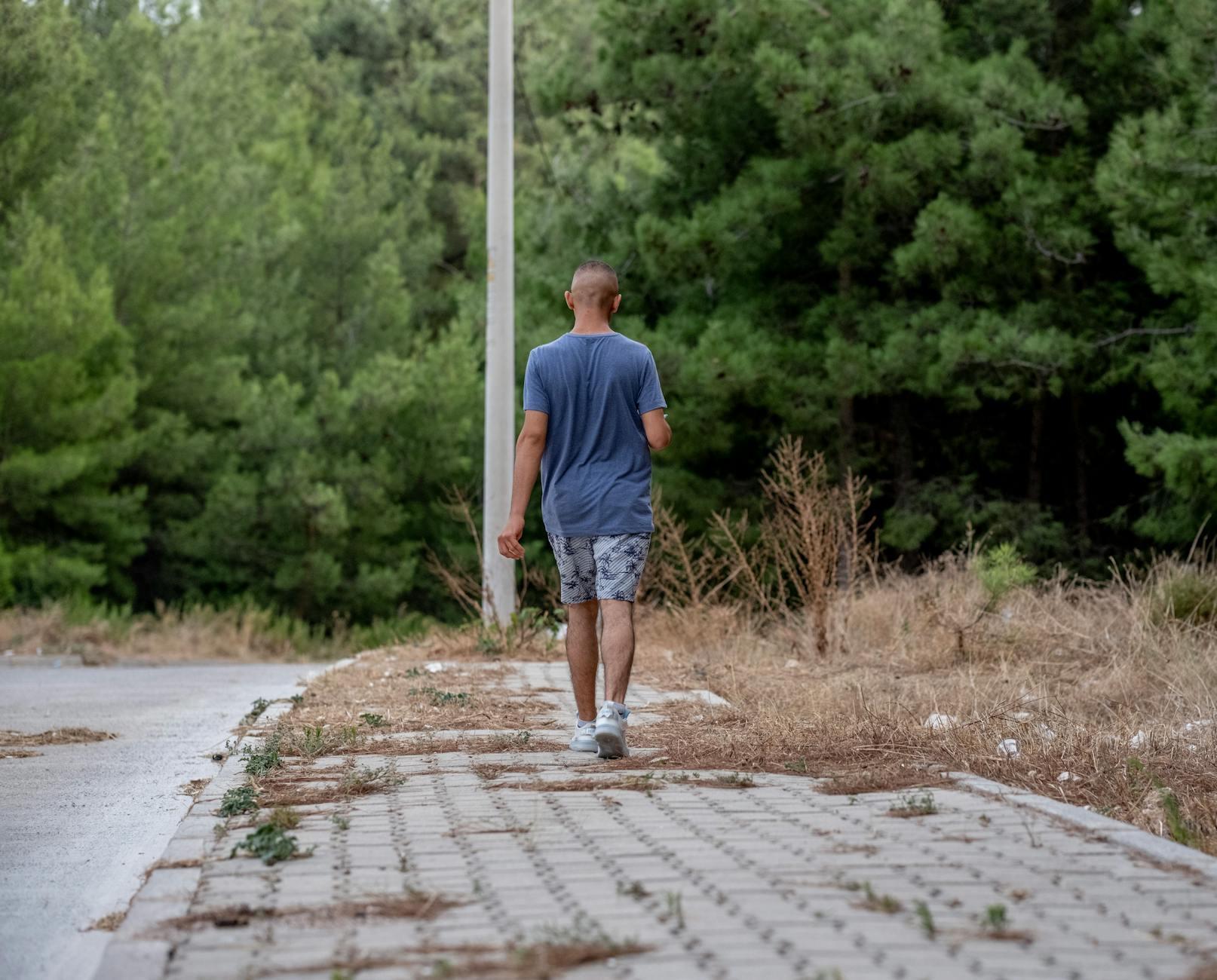
If someone told you there was a simple habit that could improve blood sugar control, support digestion, add thousands of steps to your day, and help you stay consistent with movement… you’d assume it was complicated.
It’s not.
It’s a 10-minute walk after meals.
Do it after breakfast, lunch, and dinner, and you’ve quietly stacked 30 minutes of walking per day—often without needing a formal “workout block.” For many people, that’s also an extra 2,500–3,500 steps daily (depending on pace and stride), which adds up fast over weeks and months.
More importantly, the science is strong that moving after eating blunts post-meal blood sugar spikes, which matters for everyone—but especially for people with insulin resistance, prediabetes, or type 2 diabetes.
Let’s go deep on what after-meal walks are, what research says, who benefits most, and how to implement them in real life.
What Is an After-Meal Walk?
An after-meal walk is exactly what it sounds like: a short, easy-to-moderate walk started soon after you finish eating.
Most research and practical recommendations cluster around:
- Timing: within 5–30 minutes after a meal (sooner tends to be better)
- Duration: 5–15 minutes can work; 10 minutes is a sweet spot
- Intensity: light to moderate—breathing elevated, but you can talk in complete sentences
This is not a workout that leaves you crushed. It’s a metabolic “assist” that takes advantage of what’s happening in your body right after you eat.
Why Walking After Meals Helps With Glucose Management
After you eat—especially a meal containing carbohydrates—glucose rises in your blood. Your body responds by releasing insulin, so your cells can take in the glucose and use it or store it.
Here’s the key:
Muscle contraction acts like a second doorway for glucose.
When your muscles work (even lightly), they can pull glucose out of the bloodstream more effectively, reducing the size and speed of the spike. This can happen to some extent independently of insulin, which is why post-meal movement is beneficial for people with insulin resistance.
So instead of glucose rising sharply and hanging around longer, you often see a smaller peak and a smoother curve.
And the “smooth curve” matters: repeated sharp spikes and dips are associated with worse metabolic health over time.
What the Science Says
1) Short post-meal walks can significantly reduce post-meal glucose spikes
A well-known approach tested in research is walking after each meal, not just once per day.
A landmark study in Diabetes Care found that three 15-minute walks after meals improved 24-hour glucose control and were as effective as a single longer walk (in older adults at risk).
Other research supports that even shorter bouts—like 10 minutes—can be meaningful, particularly when timed well.
2) Timing matters: after-meal walking often beats “same total walking” done at a different time
A study in Diabetologia tested a simple idea: does it help to specify walking after meals rather than “walk more”?
They found that post-meal walking guidance improved blood sugar outcomes more than general activity advice—especially after the evening meal.
This lines up with what many people experience: dinner is often the biggest meal, and glucose handling can be worse later in the day.
3) “As soon as possible after eating” may be ideal
A 2023 systematic review and meta-analysis concluded that walking has a greater acute benefit on postprandial glucose when done as soon as possible after a meal.
You don’t need perfection—but if you’re choosing between walking immediately vs. “I’ll go later,” sooner generally wins.
4) A simple 10-minute walk right after a meal may be surprisingly powerful
Newer research has explored very short walks. A 2025 paper reported that a 10-minute walk immediately after intake lowered peak glucose compared with doing nothing (and in that study, the 10-minute walk performed very well).
This doesn’t mean longer walks are useless—it means short walks can be more effective than people assume, especially when done consistently.
5) The effect shows up across populations
Research includes:
- people with type 2 diabetes
- older adults at risk
- healthy populations
The most significant need is usually in insulin resistance and diabetes, but the habit is broadly beneficial.
What About Anecdotal Evidence?
Anecdotes aren’t “proof,” but they matter because they show how habits play out in real life.
A big reason after-meal walks have surged in popularity is the rise of continuous glucose monitors (CGMs)—people can literally see their post-meal curve flatten when they walk. Clinicians and health care providers frequently describe this pattern: a short walk leads to a lower peak and a smoother glucose response.
You’ll also see this idea popularized in mainstream culture (sometimes humorously, like the “fart walk” trend—still essentially a post-dinner walk for digestion and blood sugar). While the name is silly, the behavior is legit.
Bottom line: lots of people report the same thing the studies show—walking after meals “takes the edge off” the post-meal slump and sugar spike.
Benefits Beyond Blood Sugar
1) Easy daily step volume (without “trying”)
Three 10-minute walks:
- creates a built-in 30 minutes of activity
- adds roughly ~3,000 steps for many people
- improves consistency because it’s attached to something you already do (eat)
This is habit design 101: anchor a new habit to an existing routine.
2) Digestion support
Light movement after meals can help:
- reduce bloating for some people
- support GI motility
- reduce that “stuck” feeling after a heavy meal
(It’s also why intense workouts right after eating can feel awful—too much intensity can compete with digestion.)
3) Energy and mood
Many people notice fewer:
- post-meal crashes
- afternoon sluggishness
- “brain fog” after big meals
It’s not magic—smoother glucose response and a little movement tend to improve how you feel.
Zone, Pace, and “How Hard Should It Be?”
You do not need a heart-rate monitor, but if you want a target:
- Easy to moderate is the goal
- You can breathe a bit heavier, but still talk
- RPE (effort): 3–5 out of 10
If your walk is so hard you’re huffing and can’t talk, you’re turning it into a workout—and that can be harder to recover from or stick with daily.
Timing: When Should You Walk After Eating?
If you want a simple rule:
- Start within 5–30 minutes after finishing the meal
Even 5 minutes can help.
If life is busy and you can’t do it immediately, don’t throw it away. A walk within the first hour is still likely better than none.
Who Should Prioritize After-Meal Walks?
After-meal walks are helpful for almost everyone, but especially:
- People with prediabetes or type 2 diabetes
- People with insulin resistance or elevated fasting glucose
- People who feel sleepy after meals
- Anyone trying to improve metabolic health without adding intense exercise
- Busy parents who can’t find a 30–60 minute workout block most days
Practical Implementation: Make It Unbreakable
Here’s the real secret: don’t rely on motivation.
The “default” plan
- After breakfast: 10 minutes around the block
- After lunch: 10 minutes at work (parking lot, stairs, hallway, outside loop)
- After dinner: 10 minutes with family, stroller, dog, or podcast
Make it ridiculously easy
- Shoes by the door
- Jacket ready
- “Walk first, then dishes.”
- Set a recurring reminder for 15 minutes after meals (optional)
If you’re doing it for glucose management
Focus on:
- Consistency
- Timing
- RepeatabilityNot intensity.
How to Combine After-Meal Walks With Strength Training
This is where after-meal walks shine for your audience (busy adults/parents).
- Strength training builds muscle (your “glucose sink”)
- After-meal walks improve how you use glucose daily
They complement each other exceptionally well.
Practical approach:
- Lift 2–4 days/week
- Keep after-meal walks most days
- On heavy leg days, keep walks easy (still beneficial)
And if someone is already walking after meals, it often improves recovery because it’s low intensity and increases blood flow.
Common Obstacles and Fixes
“I don’t have time after each meal.”
Do the “minimum effective version”:
- Start with after dinner only
- Add lunch later
- Add breakfast last
Dinner is often the biggest metabolic win anyway.
“The weather is bad.”
Indoor options:
- Walk laps in the house
- Mall walk
- Treadmill incline walk
- March in place during cleanup
“I feel too full to move.”
Go slower.
Start with 5 minutes.
Aim for gentle movement, not speed.
What Results to Expect (and How Fast)
Some benefits show up quickly:
- better post-meal energy
- less “heavy” feeling after meals
Glucose improvements can also appear quickly—especially in people with higher post-meal spikes—because it’s an acute effect.
Body composition changes are slower, but the step volume and consistency can absolutely support fat loss over time—especially when paired with strength training and protein-forward nutrition.
The Bottom Line
After-meal walks are one of the highest-ROI habits in health and fitness:
- They’re easy to do
- They add meaningful daily movement
- They support recovery
- And the research consistently shows they can reduce post-meal glucose spikes, even with short durations
If you’re busy, stressed, and trying to improve your health without another extreme plan, start here:
Walk for 10 minutes after dinner. Then build to lunch. Then breakfast.
Thirty minutes per day can happen almost by accident—if you attach it to meals.
And when habits feel that easy, they tend to stick.
Leave a Reply