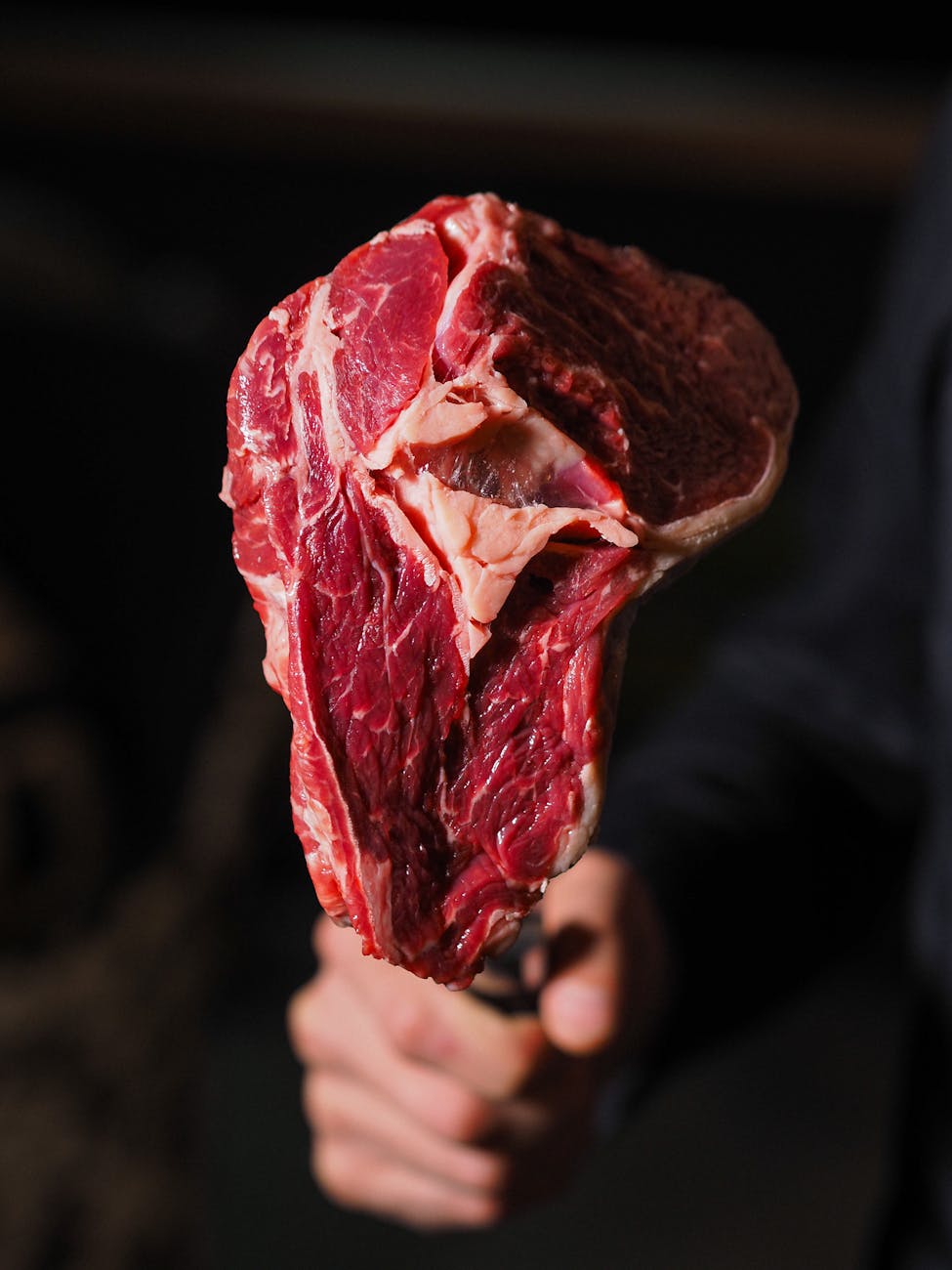
Few diets spark as much debate as the carnivore diet.
Supporters claim:
- Better digestion
- Reduced inflammation
- Fat loss
- Mental clarity
- Simplicity
Critics warn about:
- Nutrient deficiencies
- Gut health issues
- Long-term sustainability
- Cardiovascular risk
And, as with most nutrition debates, the truth lies somewhere in the middle.
The carnivore diet isn’t pure nonsense — but it’s also not a magic solution, and it’s certainly not ideal as a lifelong way of eating for most people.
In some cases, it can be a useful short-term tool.
Long-term, however, balance almost always wins.
Let’s break down what the carnivore diet actually is, what benefits people may experience, where the risks lie, and why reintroducing balance should be the goal.
What Is the Carnivore Diet?
At its core, the carnivore diet involves eating only animal-based foods.
Depending on how strict someone is, this may include:
- Beef, pork, poultry, and game meats
- Fish and seafood
- Eggs
- Animal fats (butter, tallow, lard)
- In some versions: dairy
Foods eliminated include:
- Fruits
- Vegetables
- Grains
- Legumes
- Nuts and seeds
- Sugar
- Plant oils
In its strictest form, it’s essentially:
Meat, water, and salt.
No carbs.
No fiber.
No plants.
Why Is the Carnivore Diet So Appealing?
The appeal isn’t accidental.
The carnivore diet offers:
- Clear rules
- No calorie counting
- No decision fatigue
- Rapid initial results
For people overwhelmed by nutrition advice, simplicity can feel like relief.
And for some, that simplicity produces real short-term improvements.
Potential Benefits of the Carnivore Diet
Let’s be fair and honest.
Some people do experience benefits — especially early on.
1. Digestive Symptom Relief (Short-Term)
For people with:
- Food intolerances
- IBS-like symptoms
- Autoimmune conditions
- Chronic bloating
Removing all plant foods can temporarily reduce symptoms.
This isn’t because plants are “bad.”
It’s because:
- Many plant foods contain fermentable carbohydrates (FODMAPs)
- Some contain compounds that irritate sensitive guts
- Removing everything reduces variables
This is elimination, not proof that plants are harmful.
2. Appetite Control and Fat Loss
High-protein, high-fat diets tend to:
- Increase satiety
- Reduce spontaneous calorie intake
- Stabilize blood sugar
Many people lose fat on the carnivore diet simply because:
- Protein intake increases
- Ultra-processed foods disappear
- Calorie intake drops naturally
This isn’t unique to carnivore — it happens on many structured diets.
3. Reduced Inflammation (Perceived)
Some people report:
- Less joint pain
- Improved skin conditions
- Reduced autoimmune flare-ups
This may be due to:
- Removal of processed foods
- Reduced sugar intake
- Temporary gut quieting
- Weight loss itself
Again, this doesn’t require lifelong carnivory.
4. Simplicity and Adherence (Short-Term)
For people who struggle with moderation, extremes feel easier to manage.
Carnivore:
- Eliminates decisions
- Removes temptation
- Creates structure
But simplicity doesn’t equal sustainability.
Where the Carnivore Diet Falls Short
This is where long-term concerns start to matter.
1. Lack of Fiber and Gut Health Concerns
Fiber is not optional for long-term health.
Fiber:
- Feeds beneficial gut bacteria
- Supports regular digestion
- Improves insulin sensitivity
- Lowers cholesterol
- Reduces inflammation
The carnivore diet provides virtually zero fiber.
Short-term symptom relief does not equal long-term gut health.
Over time, lack of fiber may:
- Reduce microbial diversity
- Increase gut permeability
- Impair metabolic health
Gut health thrives on variety, not restriction.
2. Micronutrient Gaps
Animal foods are nutrient-dense — but not complete.
Potential deficiencies include:
- Vitamin C
- Magnesium
- Potassium
- Folate
- Phytonutrients and antioxidants
Some people argue that meat contains “enough.”
In practice, this is inconsistent — especially in the long term.
Balanced diets naturally cover these gaps.
3. Cardiovascular Risk Considerations
High intake of:
- Saturated fat
- Red meat
- Processed meats
Without:
- Fiber
- Plant antioxidants
- Polyphenols
May negatively impact:
- LDL cholesterol
- Vascular health
- Long-term cardiovascular risk (for some individuals)
Not everyone responds the same, but risk increases over time for many.
4. Hormonal and Metabolic Stress
Very low-carb diets can increase cortisol in some people.
Especially when combined with:
- High training volume
- Poor sleep
- Chronic stress
This may lead to:
- Fatigue
- Sleep disruption
- Poor recovery
- Thyroid downregulation
Some thrive temporarily — others burn out.
5. Athletic Performance Limitations
Carnivore diets often struggle to support:
- High-intensity training
- Strength progression
- Explosive sports
- Endurance work
Carbohydrates play a critical role in:
- Glycogen replenishment
- Training output
- Recovery
Most athletes perform better with at least some carbs.
6. Social and Psychological Costs
Extreme diets isolate people.
Carnivore can:
- Limit social meals
- Increase food anxiety
- Create rigidity
- Encourage black-and-white thinking
Health shouldn’t come at the expense of:
- Relationships
- Enjoyment
- Mental well-being
Why Carnivore “Works” (But Not for the Reason People Think)
Most benefits come from what’s removed — not what’s added.
Carnivore eliminates:
- Ultra-processed foods
- Excess sugar
- Alcohol (usually)
- Late-night snacking
- Calorie-dense junk
Any diet that removes those things will initially improve health.
The question isn’t:
“Does carnivore work?”
The real question is:
“Is this the best long-term solution?”
For most people, the answer is no.
Carnivore as an Elimination Tool (Where It Can Make Sense)
This is where nuance matters.
In specific cases, a carnivorous diet may serve as a temporary elimination diet.
When Carnivore Might Be Useful Short-Term
- Severe digestive distress
- Multiple food intolerances
- Autoimmune flare-ups
- When guided by a knowledgeable professional
Used this way, carnivore is not a destination.
It’s a diagnostic reset.
The Critical Step Most People Skip: Reintroduction
The value comes from what happens next.
Foods should be reintroduced slowly:
- One category at a time
- Monitoring symptoms
- Building tolerance
The goal is to identify:
- Problem foods
- Trigger quantities
- Individual tolerance
Then rebuild variety and balance.
Why Balance Is the Real Goal
A balanced diet offers:
- Protein for muscle and recovery
- Carbohydrates for energy and performance
- Fats for hormones and satiety
- Fiber for gut health
- Micronutrients for long-term health
Balance is not:
- Eating junk constantly
- Ignoring structure
- “Anything goes”
Balance is intentional variety.
What a Balanced Approach Looks Like
A balanced diet typically includes:
- High-quality protein (animal or plant-based)
- Fruits and vegetables
- Whole food carbohydrates
- Healthy fats
- Fiber-rich foods
- Flexibility for enjoyment
This approach:
- Supports training
- Improves gut health
- Reduces disease risk
- Is socially sustainable
- Works long-term
Why Extreme Diets Often Backfire
Extreme diets tend to:
- Work quickly
- Create identity
- Feel empowered at first
Then:
- Adherence drops
- Nutrient gaps appear
- Stress increases
- Rebound eating occurs
Sustainable health lives between the extremes.
Who Should Avoid Carnivore Altogether?
Carnivore is generally not appropriate for:
- Endurance athletes
- Highly active individuals
- People with cardiovascular risk factors
- Those with a disordered eating history
- People who struggle with rigidity
There are safer, more effective ways to improve health.
The Longevity Perspective
Populations with the most extended lifespans tend to eat:
- Diverse diets
- Plant-forward meals
- Moderate protein
- Minimal ultra-processed foods
Not extreme elimination.
Longevity thrives on variety and consistency, not restriction.
The Psychological Cost of Extremes
Extreme diets often:
- Create fear around food
- Reduce adaptability
- Increase anxiety when plans change
- Turn eating into a moral issue
Balanced eating:
- Builds trust
- Improves flexibility
- Supports long-term adherence
- Reduces stress
Mental health matters just as much as physical health.
The Bottom Line
The carnivore diet is not inherently evil — but it is not ideal as a permanent solution.
It may help:
- Short-term symptom relief
- Temporary elimination
- Resetting habits
But long-term health requires:
- Fiber
- Variety
- Carbohydrates
- Micronutrients
- Flexibility
The goal isn’t to live at extremes.
The goal is to:
- Learn your body
- Build a strong foundation
- Eat in a way that supports training, health, and life
- Enjoy food without fear
If carnivore helps you identify what doesn’t work for you — great.
Just don’t stop there.
Balance is where health actually lasts.
Leave a Reply